


Tens of thousands of Jews across the world marked Yud-Tes Kislev this week with concerts, farbrengens, and study events. Among these was a 3,200-seat gathering at Brooklyn’s Kings Theatre and massive public celebrations — spanning from Israel to Russia.
The 19th of the Hebrew month of Kislev commemorates the release of Rabbi Schneur Zalman of Liadi, founder of the Chabad movement, from Czarist prison in 1798 after being arrested on trumped up charges — an event that ignited a global spiritual revolution.
Most Jews know the names of the major holidays. Fewer know the story behind Yud-Tes Kislev — or why events marking it draw increasing interest and participation worldwide more than 225 years later.
In the fall of 1798, Rabbi Shneur Zalman, known as the Alter Rebbe, was arrested by the Russian authorities on accusations that his growing movement posed a threat to the government. Among the charges was that he was sending funds to Colel Chabad, a charity he’d established in the Holy Land, which at the time was under Ottoman rule — an empire hostile to Russia. After 53 days of imprisonment and interrogation, he was cleared of all accusations and released.
The Alter Rebbe understood these events not only as a political ordeal, but as a spiritual one. His arrest, he believed, reflected a debate raging in heaven over whether the disclosure of Torah’s mystical teachings, the foundation of Chasidic philosophy — should be taught publicly. His release, he believed, signaled Divine approval. In its aftermath, he intensified his efforts, teaching more openly and accessibly than ever before.
Yud-Tes Kislev would come to be known as the Rosh Hashanah of Chasidus — the moment when the Torah’s inner dimensions began flowing outward.
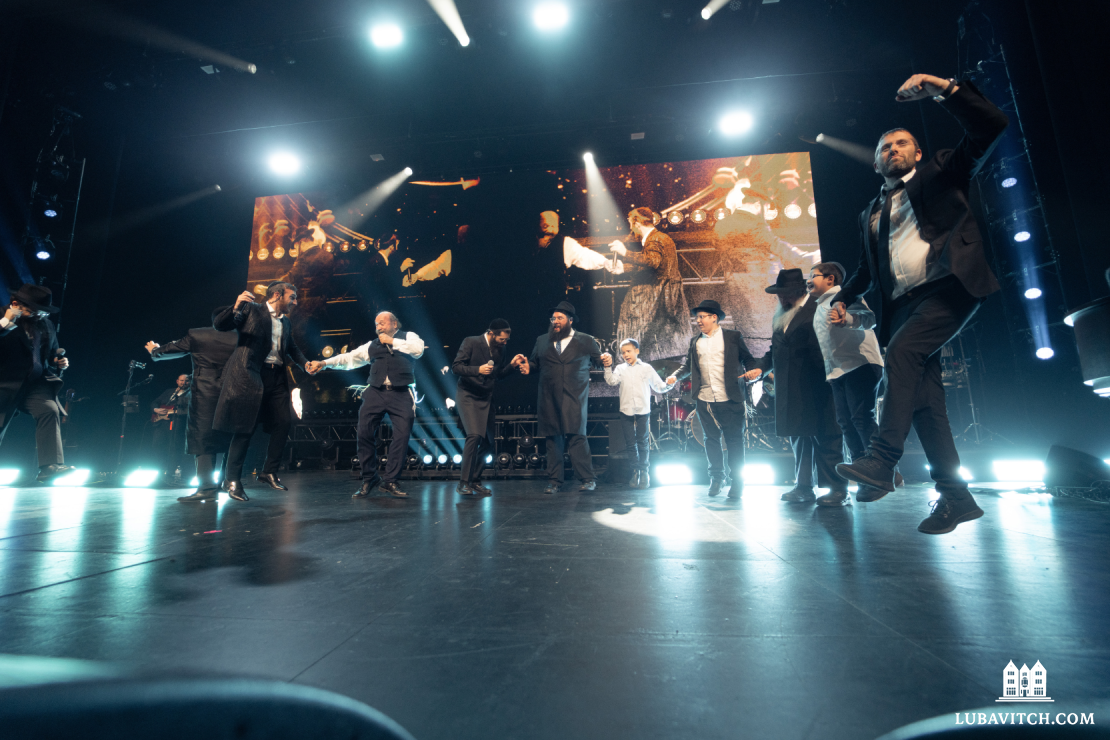
Since then, the Colel Chabad charity has grown into one of Israel’s leading social welfare organizations, providing food, humanitarian aid, and support to thousands of families each year. In recent years, its mission has also expanded with the creation of Nafshi — an annual event designed to bring Chasidus to a global audience.
“It’s not a concert. It’s an experience,” said Rabbi Zalman Duchman, Executive Director of Colel Chabad. “The experience is conveyed through music, through stories, and through words of inspiration.”
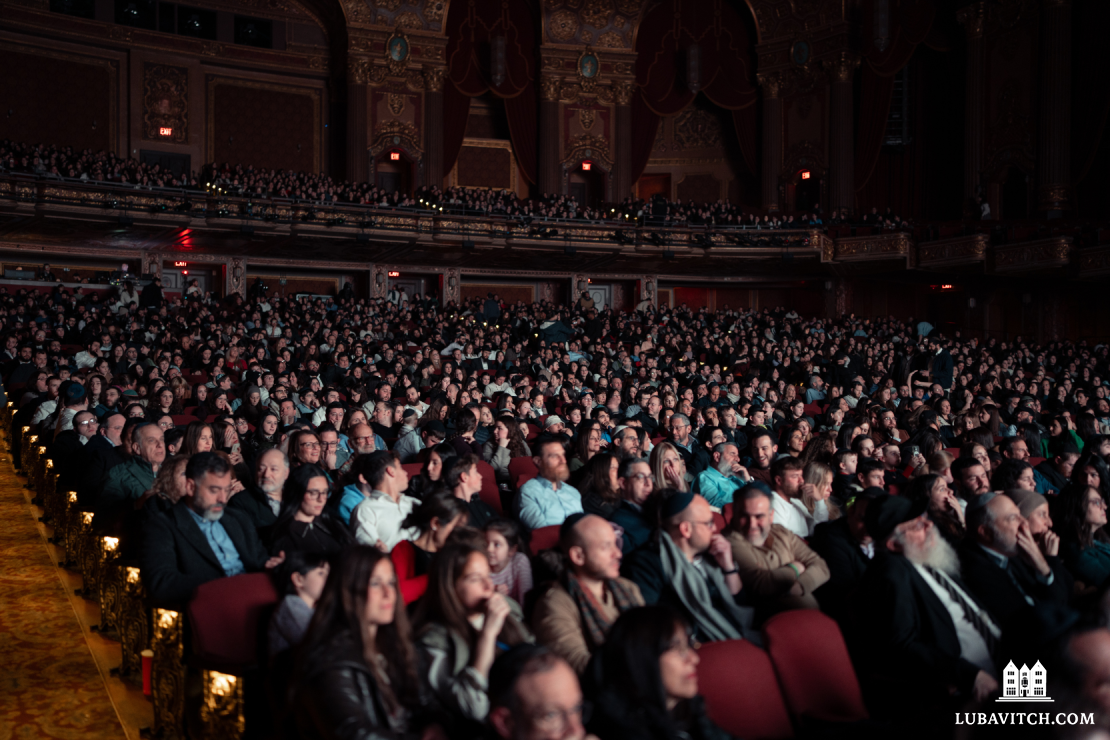
It began in 2023, modeled after the annual Tzama event held in Israel on the same day. Because of the war, that year, it was not able to happen. “We felt we couldn’t just sit quietly and let such a time go unutilized,” Rabbi Duchman explained. That’s when they held the first Nafshi event — and this year marked its third, with 3,200 people in attendance at Kings Theatre. “People didn’t come to listen to musicians sing Chasidic melodies — they came to engage with the songs. There were stories and inspiration interwoven throughout to create a full spiritual experience.”
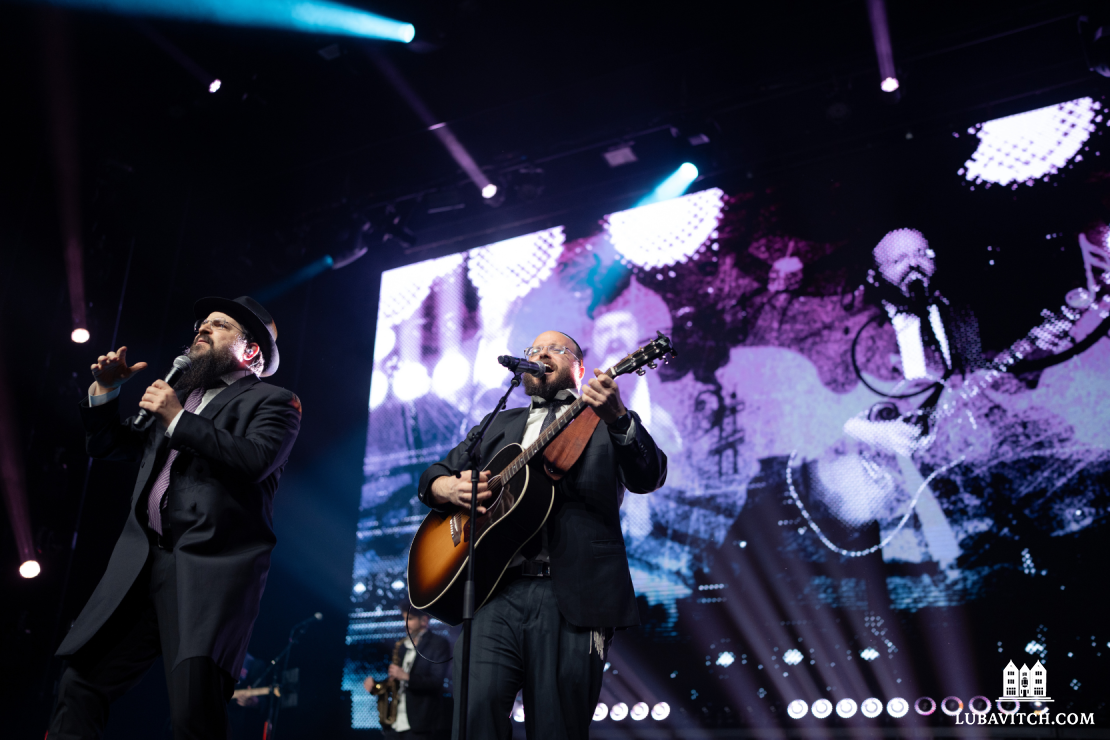
The event featured prominent speakers including Rabbis Yoel Gold and Daniel Kalish, along with popular Jewish singers and composers. Among them was Joey Newcomb, who marked his fourth completion of studying the Tanya — the Alter Rebbe’s seminal work of Chasidic philosophy. “It was a real honor to celebrate the light of Chasidus on such a large scale,” he said. “Tanya changed my whole outlook on life — every year I study it I gain a new understanding.”
Other singers shared their thoughts about the event, emphasizing that it wasn’t a concert — rather a farbrengen, a Chasidic gathering of inspiration and inner growth. “It’s an evening that’s there to help you change your life,” said Benny Friedman.
Nafshi is only one of hundreds of gatherings marking Yud-Tes Kislev around the world. Tzama, Israel’s flagship annual event, brought together some of the country’s biggest Jewish music superstars for eight nights surrounding the day, drawing thousands to experience soul-stirring Chasidic song and immerse themselves in Chasidic teachings.
In Russia — where the Alter Rebbe was once imprisoned and where Chasidim once observed Yud-Tes Kislev in secret — Chief Rabbi Berel Lazar joined Israel’s Sephardic Chief Rabbi David Yosef in Moscow for a public celebration.
More than just large-scale productions, Yud-Tes Kislev was also commemorated in smaller settings — in Chabad Houses, yeshivas, community centers, and even living rooms worldwide. From intimate farbrengens to Tanya study groups and public lectures, the day has evolved into a global celebration of the Alter Rebbe’s vision: making the deepest ideas of Chasidus accessible to every Jew.
 Related Articles
Be the first to write a comment.