


The tiny island of San Andrés, Colombia, sits closer to Nicaragua than to its own mainland. What it lacks in size, it makes up for in foot traffic: nearly 90,000 tourists visit the island year-round. And with thousands of Jewish backpackers among them, Rabbi Mordechai and Hadas Bigio are there to greet them.
The island itself has a longer Jewish story. In the 1960s, San Andrés became a known destination for Jewish merchants and entrepreneurs. When Colombia declared the island a free port, it drew waves of migrants from across the Middle East and Europe alongside mainland Colombians, all chasing the opportunity the open market created. Jewish families from Lebanon, Poland, and Germany arrived, built hotels, ran businesses, and put down roots. Over time, many moved back to mainland Colombia and Panama. The few who remained became the quiet heart of a small community.
A Barranquilla born Colombia native, Rabbi Bigio was drawn to the island by both sides of that story — the old community and the throngs of tourists. After settling in, he called a community meeting to discuss renovating the building they had begun using for the Chabad House, hoping to root the project in local grassroots funding. “This synagogue is our responsibility,” community member Jack Cybul told Rabbi Bigio when they met. That night, Cybul sent a message to the community WhatsApp group. By morning, $50,000 had been raised from within. “Everyone who gave felt ownership and belonging,” said Rabbi Bigio. “They started coming every Shabbat.”
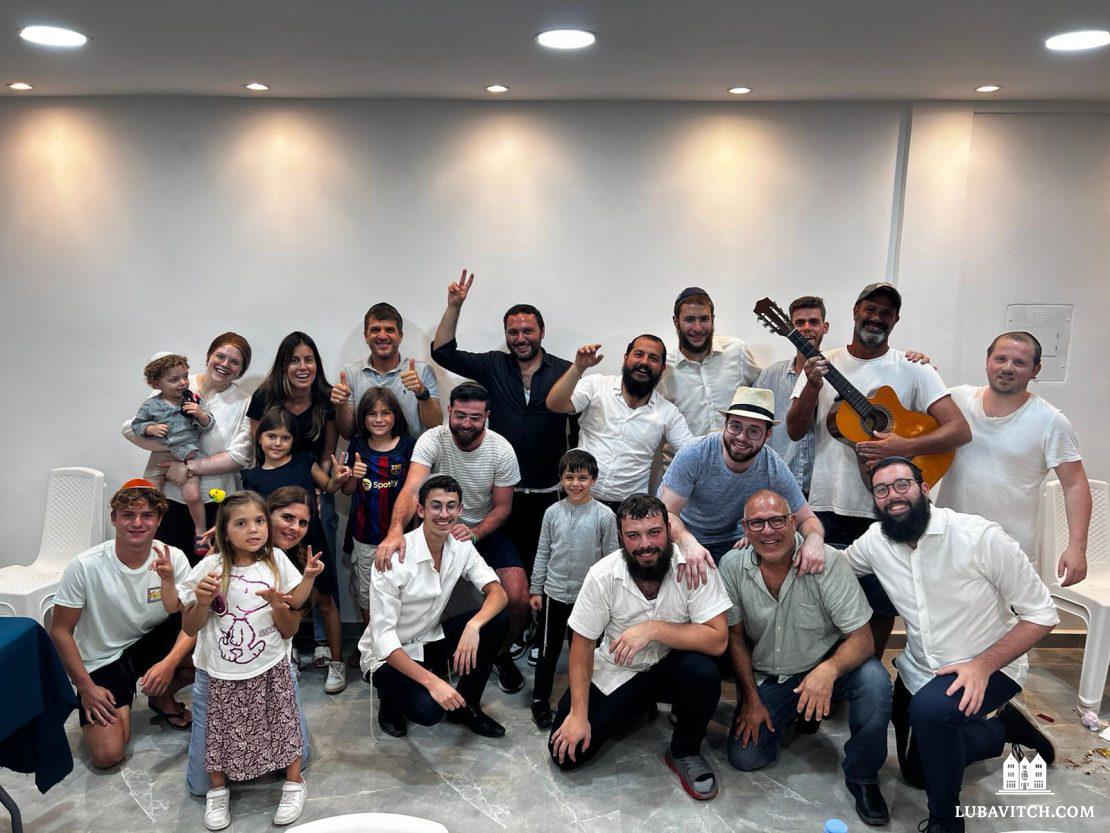
Joseph Niddam has watched the Jewish presence on the island transform over decades. His father arrived in the 1960s — a Moroccan-born immigrant who had made his way through Panama before settling in San Andrés, drawn like so many others by the duty-free port. “As kids we were a dozen or so families. Many left over the years, so eventually it was just the elders.”
Chabad brought a new life into the community. “It came as a blessing,” Niddam said. “Now we have a rabbi and a synagogue. During the holidays, we are full. It’s a mix — locals, tourists, soldiers. Even with the current visa hurdles and restrictions, backpackers find a way to come to our island. It’s amazing.”
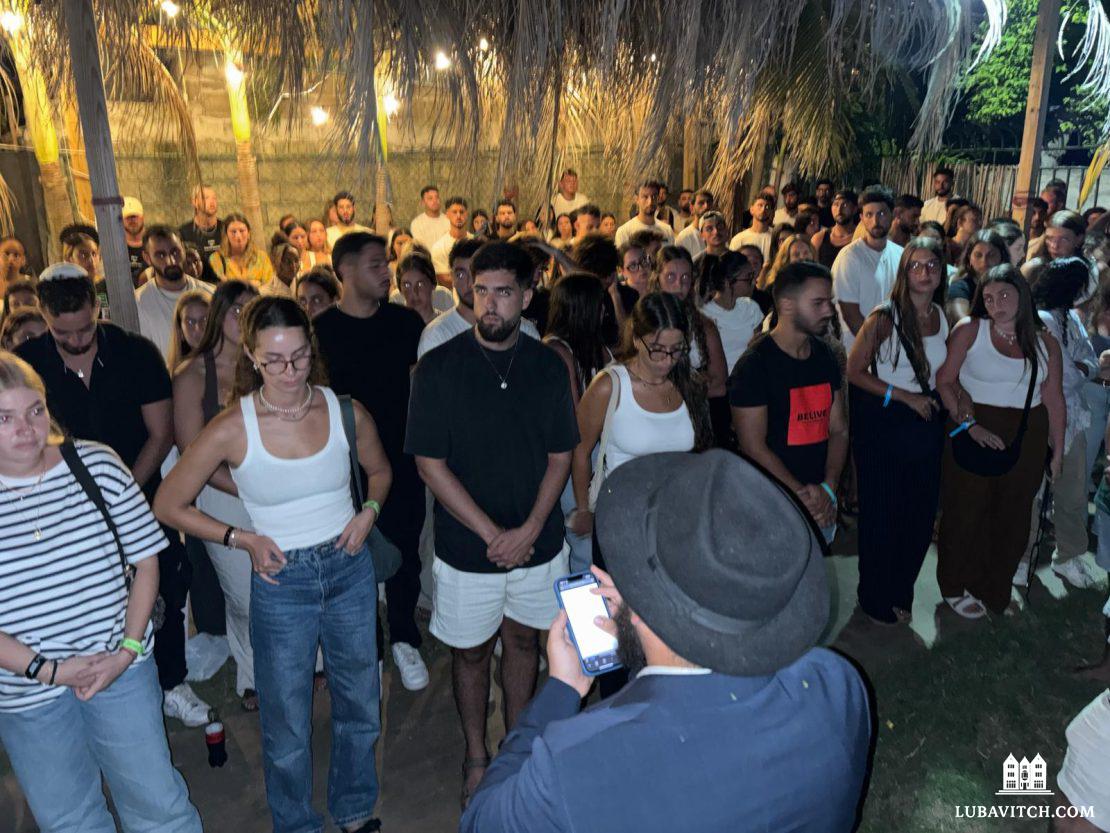
The backpacker side of the operation has its own stories. On a Friday night before the current Israeli-Colombian visa restrictions, the Chabad house drew up to 400 people — young Israelis unwinding from months on the road, many of them fresh out of military service. Today, Chabad hosts 70-80 backpackers every Shabbat — with hope that the visa restrictions will soon be lifted. Rabbi Bigio described the work with soldiers as some of the most meaningful he does, helping them decompress through Shabbat, barbecues, and open conversation. “Most of our activity is with soldiers,” he said.
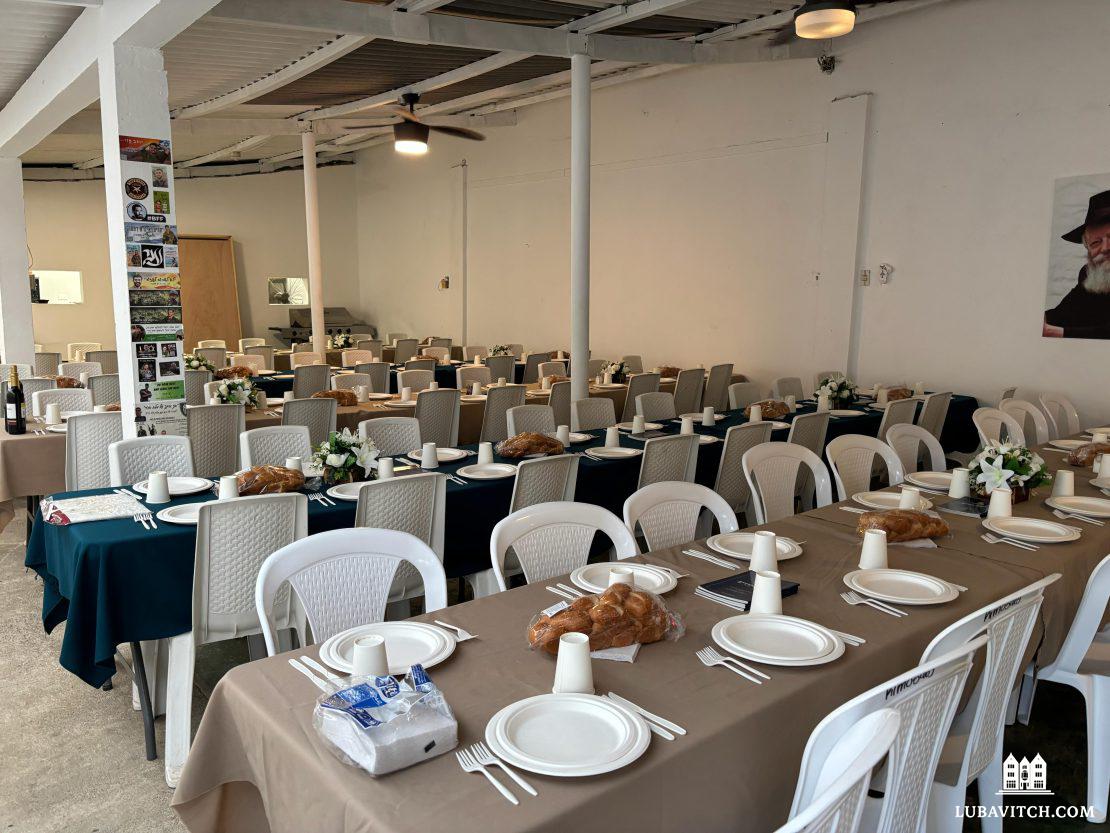
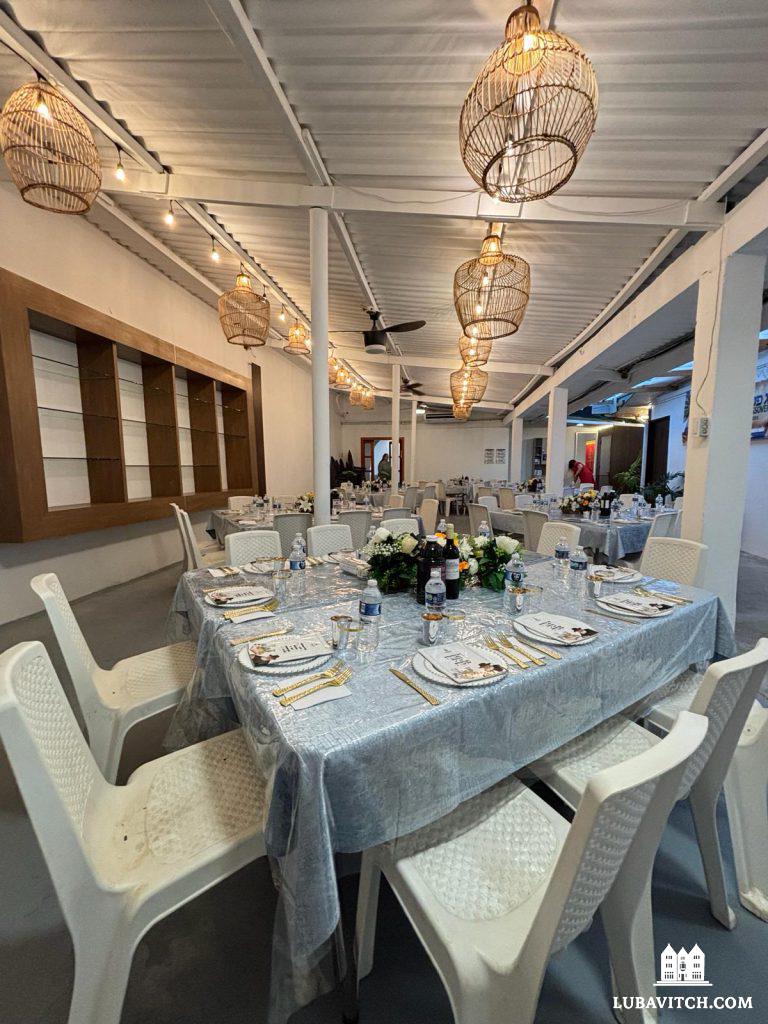
Chabad San Andrés runs daily prayer services, Shabbat and holiday programming, a kosher restaurant open throughout the week, and a full support operation for Jewish travelers.
The island is 26 square kilometers. You can circle it by golf cart in under an hour. But on a Friday night, when the table is full and the candles are lit and the tourists and the old community are all sitting down together, San Andrés feels like exactly the right size.
 Related Articles
Rivka Bigio
This beautiful Beit Jabad is not only beautiful… It’s the good feelings and services that the shllujim gave to each one that comes… Worry about every big and little thing… A familiar atmosfere … A Beit Jabad where every visitot can return home with his heart fullllll of gooodddd things!!! B”H….. 🙏🙏🙏🙏💥💥💥💥💥